What Does Your Work Say When You're Not in the Room?
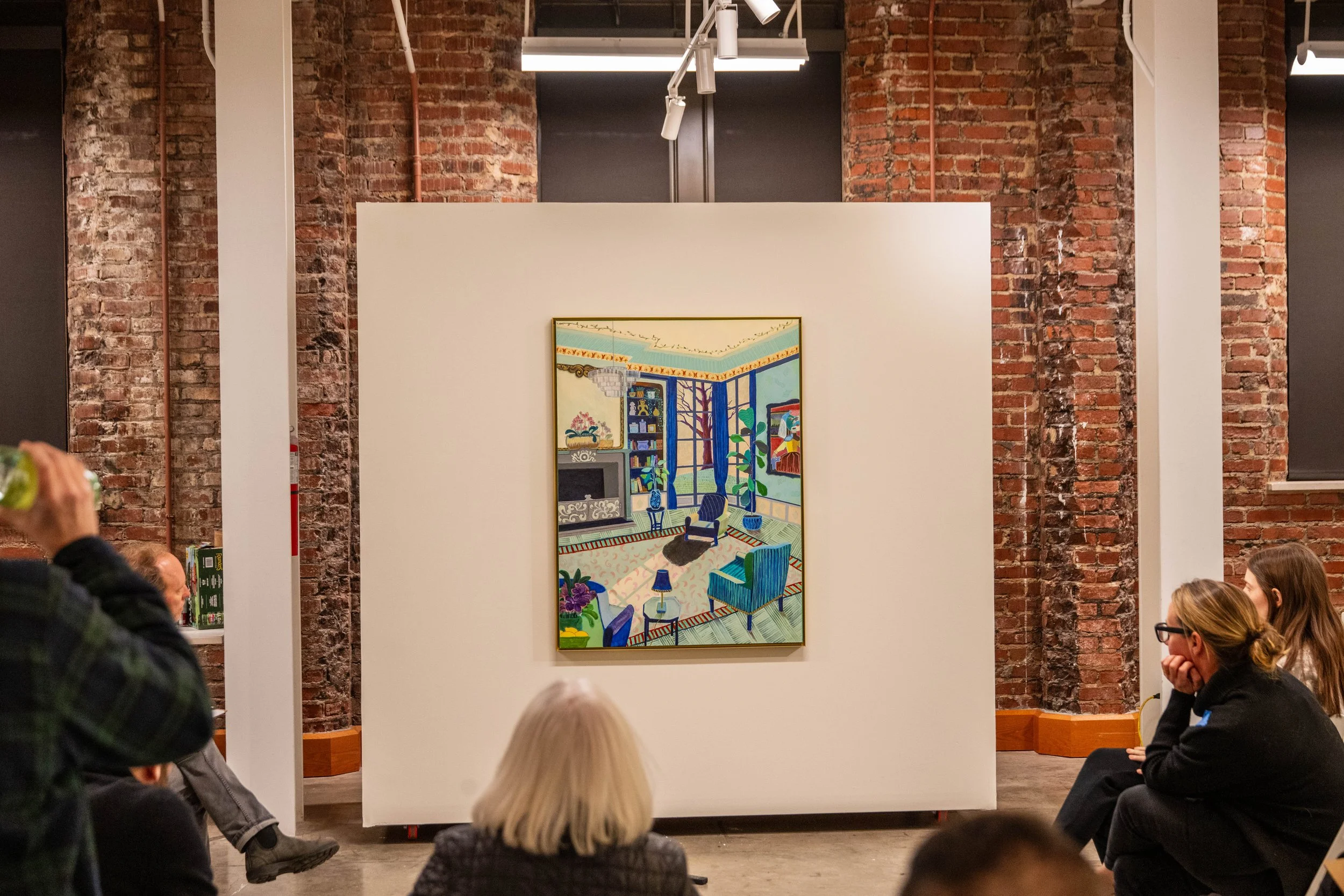
There's a moment at the start of every Comment Thread session that catches first-time participants off guard. The work is up. The room is ready. And the artist who made it is asked to step back and stay quiet while everyone else talks about it. No introduction. No context. No chance to say what it's about or where it came from. Just the work, and a room full of people looking at it carefully.
For most artists, this is not how critique usually goes. Usually there's an explanation ready, a sentence or two to frame things before the feedback starts. That framing feels protective. It also, almost without meaning to, tells people what to see.
But that framing is rarely available in real life. When work hangs in a gallery, most visitors won't read the wall text before they look. Many won't read it at all. They come to the work first, bring whatever they bring, and form an impression before any context arrives. That's just how people encounter art. The artist is almost never in the room to explain.
Comment Thread is built around that reality. The cold read isn't a constraint for its own sake — it's an honest simulation of how work actually gets received.
One participant described the experience as "a blind read, but with intent." That captures it well. The room isn't just reacting freely — there's structure, guest reviewers guiding the conversation, and feedback that's meant to be specific and useful. But it all happens before the artist weighs in, so what comes back is genuinely unfiltered.
What people discover in that silence is often surprising. Several artists have described hearing their work discussed in ways that matched their own thinking almost exactly, without ever having said a word about it. One put it this way: the feedback "helped clarify and articulate ideas I already held about this work, insightfully aligned with my practice and themes even without me having to explain them." Another left having reconsidered the title of an entire series based on a single word someone in the room offered.
That's a different kind of confirmation than hearing that someone likes your work. It tells you what the work is actually doing on its own terms.
Once the room has had its say, the artist joins the conversation. They can respond, push back, ask questions, or just absorb. Some find the shift disorienting at first, sitting with your work while others interpret it, sometimes in directions you didn't expect, takes a certain willingness to let go. But that experience is useful too. The gap between what you intended and what someone received is exactly the kind of information that's hard to get any other way.
A few artists have told us they left with a genuinely changed relationship to a piece. Not because the feedback was hard to hear, but because they finally understood what it was saying to someone encountering it fresh. Which is, in the end, almost everyone who will ever see it.
If you've been explaining a body of work for so long that you've lost track of what it does on its own, this format was made for that moment.
www.comment-thread.com to sign up. No fee to apply. Presenting artists received a modest stipend.
